
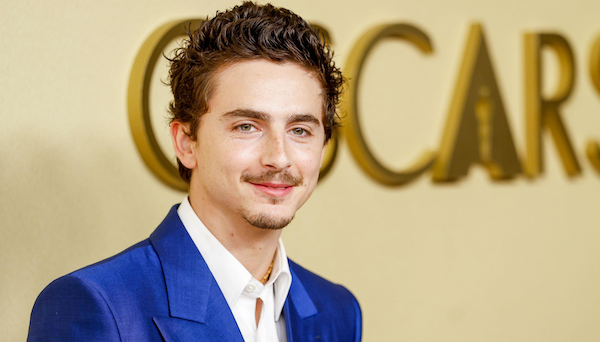
ACTOR Timothée Chalamet came into this year’s Oscars race looking unstoppable.
For months, the 30-year-old was widely tipped to take home Best Actor for his performance in Marty Supreme. But as awards season unfolded, insiders say the tide quietly turned — and some in Hollywood are now blaming Chalamet himself.
According to industry chatter reported during the race, Chalamet’s relentless awards campaign began to backfire.
He was everywhere — red carpets, Q&As, fashion moments, industry events — making sure Academy voters saw him constantly. The strategy was meant to lock up the Oscar. Instead, insiders say it started to look desperate.
One awards insider told Page Six that the aggressive push left a bad taste with some voters, who felt the young star was trying too hard to manufacture momentum instead of letting the performance speak for itself.
In an industry where actors are expected to play it cool during awards season, Chalamet’s enthusiasm reportedly came across as “thirsty.”
The perception only worsened after comments he made during a public discussion where he dismissed traditional arts like ballet and opera as things people “don’t really care about anymore.”
The remark triggered backlash across the industry and drew criticism from artists who felt the rising star was showing a streak of arrogance. Even veteran filmmakers publicly pushed back against the sentiment.
For some voters, the moment reinforced a growing narrative that Chalamet’s rapid ascent had gone to his head. What might once have been seen as confidence began to look more like ego.
Meanwhile, his biggest rival Michael B. Jordan took the opposite approach.
The Sinners star ran a much quieter campaign, largely avoiding the nonstop publicity circuit and letting his performance and the film’s awards momentum do the talking. When Jordan scored a key early win during awards season, the entire race shifted.
Suddenly the contrast between the two actors became part of the conversation. Chalamet looked like he was chasing the Oscar. Jordan looked like he didn’t need to.
Veterans of the awards circuit say that distinction matters more than people think. Academy voters have a long history of turning against candidates who appear too eager for the prize, often favouring actors who seem relaxed about the whole process.
In the end, the shift in perception may have been enough to cost Chalamet the lead he once held.
The actor who began awards season as the clear favourite suddenly found himself battling a narrative that he was arrogant, overly ambitious — and just a little too desperate to win.
And in Hollywood, once that narrative takes hold, it can be almost impossible to shake.