Key Points
- Williams hid childhood sexual assault for decades to protect her family, speaking publicly only after her father's death.
- The abuse happened when she was 10, and she didn't comprehend its seriousness until much later.
- By speaking out now, Williams adds to conversations about trauma, survival, and delayed disclosure.
Why They're In The News
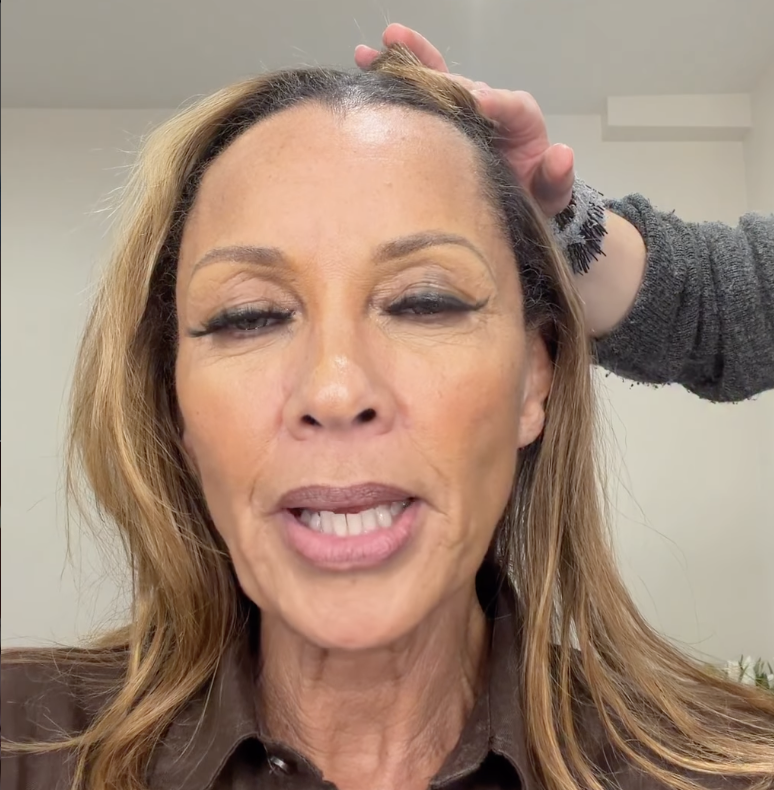
VANESSA Williams is sharing a deeply personal chapter of her life, revealing that she kept her childhood trauma private for decades in an effort to protect her family.
The actress and singer, known for roles in Desperate Housewives and Ugly Betty, previously discussed the experience in the 2012 memoir she wrote with her mother.
“I didn’t even mention it until my father had passed away,” she said, according to Radar Online.
“By the time we wrote the book together, my mother said, ‘Your father could not have handled it.’ Because as a father, you want to be a protector.”
Williams said she chose not to speak publicly about the abuse until after the death of her father, Milton Williams.
According to her account, her mother later told her that her father would have struggled deeply with the news because of his protective nature.
The star recalled being 10 years old when she was assaulted during a vacation.
“She was one of the cool girls,” Vanessa said of the person who assaulted her. “She made you want to feel like you were a grown-up.
“She told me to lie down on the floor. She took off my bottoms, and she said, ‘Be quiet.’ She went down on me.
Looking back, Williams said she did not fully understand the seriousness of what had happened until she was older, and that the experience affected her in lasting ways.
She also shared that when she returned home, a family tragedy shifted the focus, and she decided not to bring up what had happened. Williams said she instead buried the experience for years.
By speaking about it later in life, Williams has added her voice to broader conversations about trauma, survival, and the complicated reasons many people wait years before telling their stories.
Why This Matters
Williams' decision to withhold her childhood abuse explains how family dynamics, shame, and protection shape survivors' silence, underscoring the need for empathy, safer spaces, and public conversations that validate delayed disclosure and support healing.