Baz Luhrmann’s New Elvis Movie Sparks Debate Over What It Leaves Out
Key Points
- Hybrid concert-documentary spotlights electrifying Las Vegas performances, winning enthusiastic audience response.
- Critics say film excuses Elvis’ silence on civil rights, framing constraints as entourage control.
- Movie briefly acknowledges Black musical influences but avoids deeper racial dynamics and personal relationships.
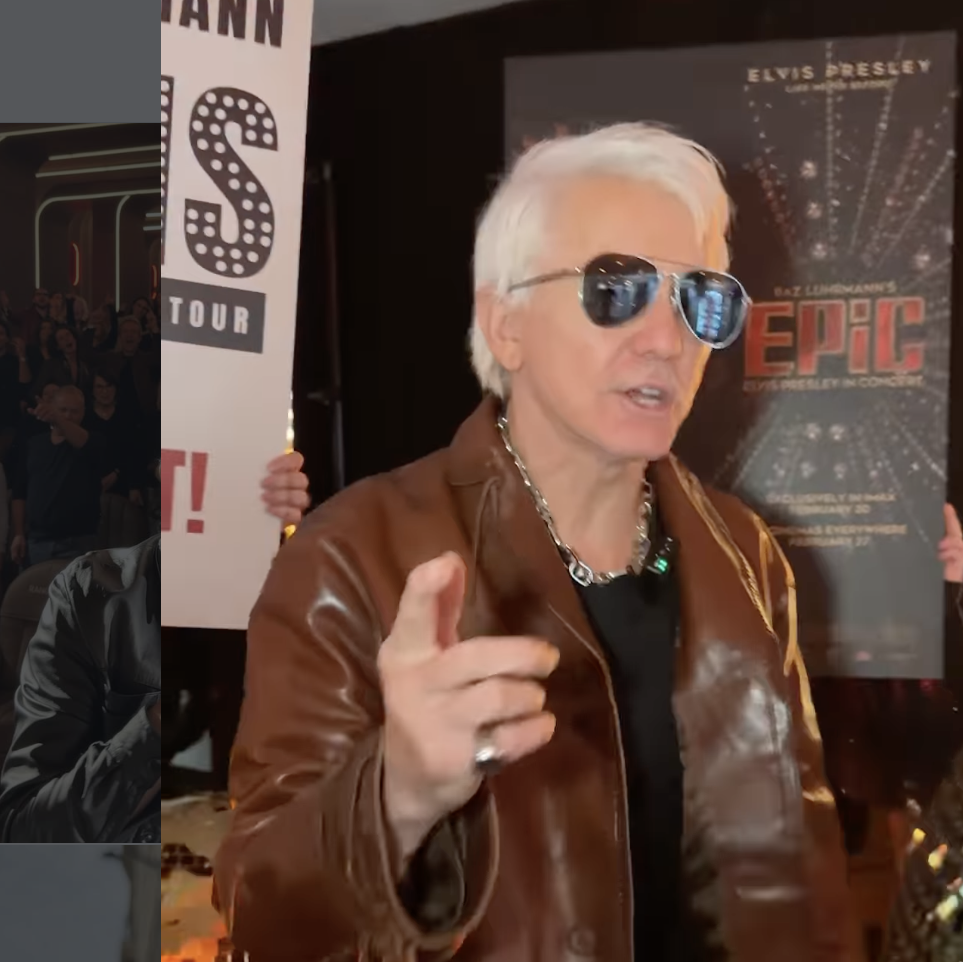
BAZ Luhrmann’s latest Elvis project, “EPiC: Elvis Presley in Concert,” is getting plenty of attention — but not all of it is applause.
The new film, which mixes archival Las Vegas performance footage with interview clips from Elvis Presley, has sparked debate among critics and historians who say it celebrates the music icon’s stage magic while sidestepping some of the more controversial parts of his legacy.
According to critics, the movie leans heavily into the idea that Elvis was limited by the people around him, especially when it came to speaking publicly during major political and cultural moments.
Several commentators argue that framing may soften tougher questions about why Presley stayed silent on issues like the civil rights movement.
The film is also drawing criticism for only briefly touching on the Black musical traditions that shaped Elvis’ sound, without digging deeper into the racial dynamics of the music industry that helped elevate him to superstardom while many Black artists struggled for equal recognition.
Another major talking point is the movie’s limited focus on Elvis’ personal life. Priscilla Presley and Lisa Marie Presley appear only briefly, and some observers say the film avoids a fuller look at Elvis’ relationship with Priscilla — an issue that has faced renewed scrutiny in recent years, especially after Sofia Coppola’s “Priscilla.”
Even with the backlash, audiences have reportedly responded enthusiastically to the concert sequences, with viewers embracing the high-energy performances and classic hits.
Luhrmann has described the project as a hybrid concert film and documentary told largely through Elvis’ own words, a creative choice that is now fuelling conversation about whether the film is a tribute, a portrait, or something in between.