Leah McSweeney’s Lawsuit Against Andy Cohen and Bravo Will Move Forward in Public Court
Key Points
- Judge found defendants waived arbitration by participating in litigation, keeping the case in court.
- McSweeney alleges toxic production worsened her alcohol use disorder and accuses Andy Cohen of reputation-damaging misconduct.
- Some disability claims survive; NBCUniversal invokes First Amendment, while McSweeney calls the process emotionally draining.
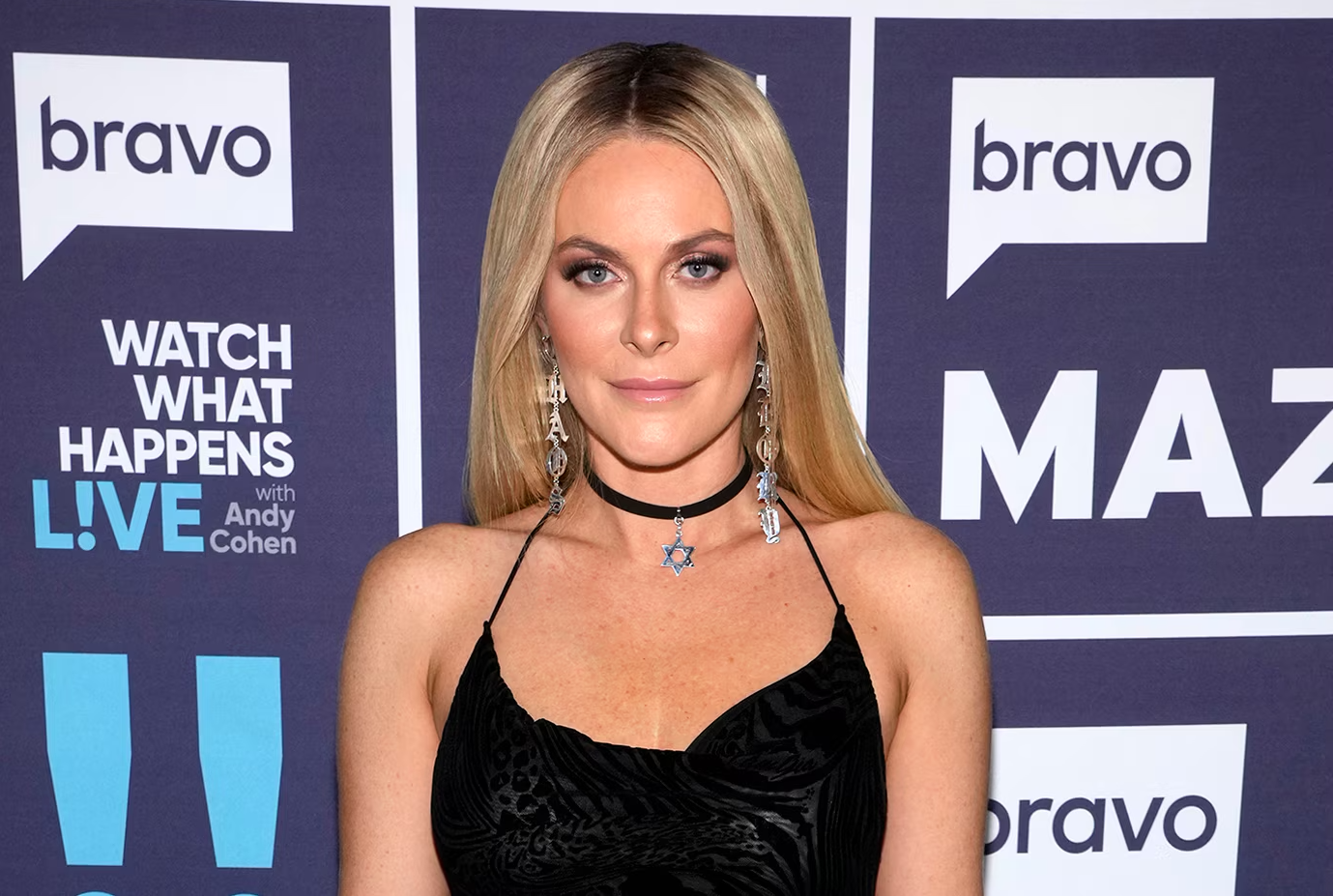
A FEDERAL judge has ruled that Leah McSweeney’s lawsuit against Andy Cohen, Bravo, and related media companies will continue in open court instead of private arbitration.
The decision means the case, which stems from McSweeney’s time on The Real Housewives of New York City, could play out publicly as both sides continue their legal fight.
Judge Lewis J. Liman said the defendants had waited too long to try to move the case into arbitration after already participating in litigation. In the ruling, he found that they had effectively waived that option, according to Radar Online.
McSweeney originally filed the lawsuit in February 2024, alleging that Bravo and its production team created a toxic workplace environment and put her in situations that worsened her struggles with alcohol use disorder.
She also accused Andy Cohen of misconduct and later claimed he used his influence to damage her reputation after she went public with the case.
Some of McSweeney’s disability-related claims have already been allowed to proceed, while others were dismissed in earlier rulings.
NBCUniversal’s legal team has argued that her experience reflects standard reality TV practices protected by the First Amendment, while McSweeney’s attorney has pushed back strongly against that position.
After the latest ruling, McSweeney called it a major moment in the case and said the legal process has been emotionally and mentally draining.
The lawsuit now appears set to continue with more public scrutiny on the behind-the-scenes workings of the reality TV world.