
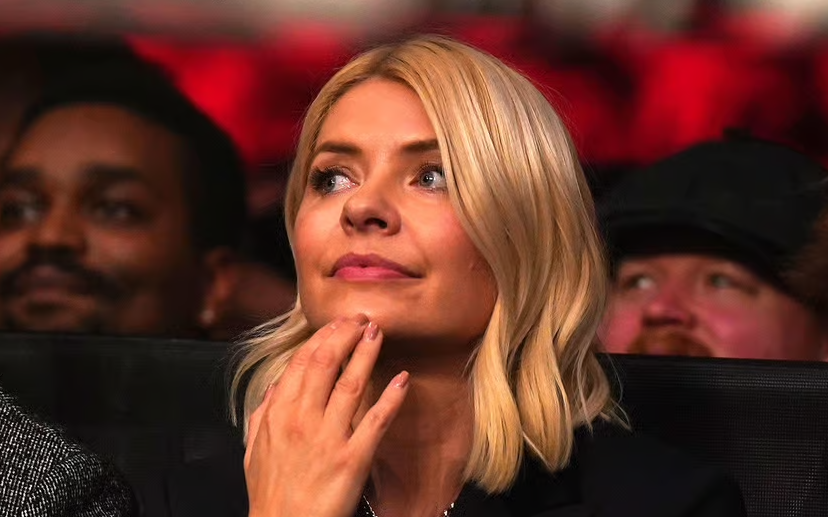
SHE was one of the most in demand telly presenters in the UK and the undisputed darling of the ITV Daytime schedule.
But now Holly Willoughby is moving over to YouTube.
The 45-year-old is hoping to emulate the success of telly stars Ant and Dec, chef Gordon Ramsay and rapper KSI by launching her own channel, according to The Sun.
“This is a massive game-changer for Holly and the wider industry because this show and her channel will be a threat to the main broadcasters, particularly This Morning and ITV,” a source said.
“Advertisers are increasingly turning away from traditional terrestrial telly and looking for new opportunities and new ways to promote themselves online — and with a magazine show like this it’s the perfect vehicle.
“And if any of the big-name retailers could cherry-pick a presenter who’s an ideal figure to front it, then it is surely Holly.”
Anyone can launch a YouTube channel these days… but getting people to actually watch it? well… that’s the difficult part; and people don’t seem to want to watch Holly at all these days. Maybe she could get a presenting gig flogging cheap jewellery on Gems TV?
It meant the ex This Morning host now has less telly work than, say, Michael Barrymore or a former Love Island contestant.
“This will be another disappointment for Holly as she was so closely associated with the show and this was her first new, big project with ITV after she left This Morning,” a source said
“But put together with the fact that Dancing on Ice and Celebrity Bear Hunt weren’t successes, it’s not a great look for Holly who’s always been talked about as TV’s golden girl.”