
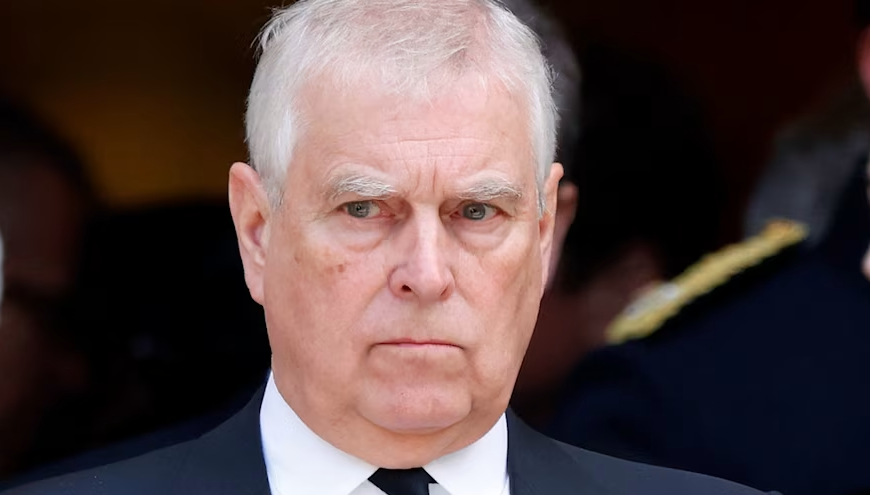
AS EXPECTED, Andrew Mountbatten-Windsor, formerly known as Prince Andrew, pulled the old “don’t you know who I am?” card when he was booted from Royal Lodge.
The disgraced royal, who was arrested earlier this week, lashed out as he was evicted from his 30-room mansion in Windsor and relocated to the Sandringham Estate earlier this month.
“He refused to leave or take any responsibility,” an insider told the Sun on Sunday.
“When he was told to get out he was so arrogant and deluded he repeatedly shouted, ‘But I’m the Queen’s second son, you can’t do this to me.’”
An insider said Andy cried, “I’m the Queen’s son” in hopes he’d be allowed to stay put in the posh pad.
“It is extraordinary he chose to use the Queen’s name in his defense. No one is quite sure if the reality of his dire situation has hit home even yet,” said the source.
Andy, 66, declared he “did not want to leave.”
Andrew was arrested on February 19 at Wood Farm in Sandringham on suspicion of misconduct in public office. He is accused of forwarding confidential trade documents to convicted sex offender Jeffrey Epstein while serving as a British trade envoy.
The arrest followed a report to Thames Valley Police by anti-monarchy campaigner Graham Smith. If convicted, Andrew could face a maximum sentence of life imprisonment.
Hours after his release from Aylsham Police Station, he was photographed appearing distressed in the back seat of a vehicle as he attempted to avoid cameras.
In a statement issued by Buckingham Palace, King Charles III said he learned of the news “with the deepest concern,” adding: “The law must take its course… It would not be right for me to comment further.”