Emily Blunt Faces Backlash Over Career Advice to Quit Unhappy Jobs
Key Points
- Blunt advised quitting unhappy jobs to pursue passion, even without pay, during a Betches interview.
- Fans criticized her as privileged and out of touch given her $80 million fortune.
- Critics argued money constraints make quitting unrealistic, sparking debate over celebrity privilege versus everyday struggles.
EMILY Blunt has landed herself in hot water after telling fans that quitting their jobs is the way to find happiness in their careers.
The Devil Wears Prada star, 43, sparked a backlash following an interview where she urged people to “find something that you deeply want to do,” even if it means earning no money.
Fans were quick to point out the actress’s privileged position, given her reported $80million fortune and upper-middle-class background.
Emily attended the pricey Hurtwood House drama school in Surrey, where fees can hit up to £22,400 per term for boarders.
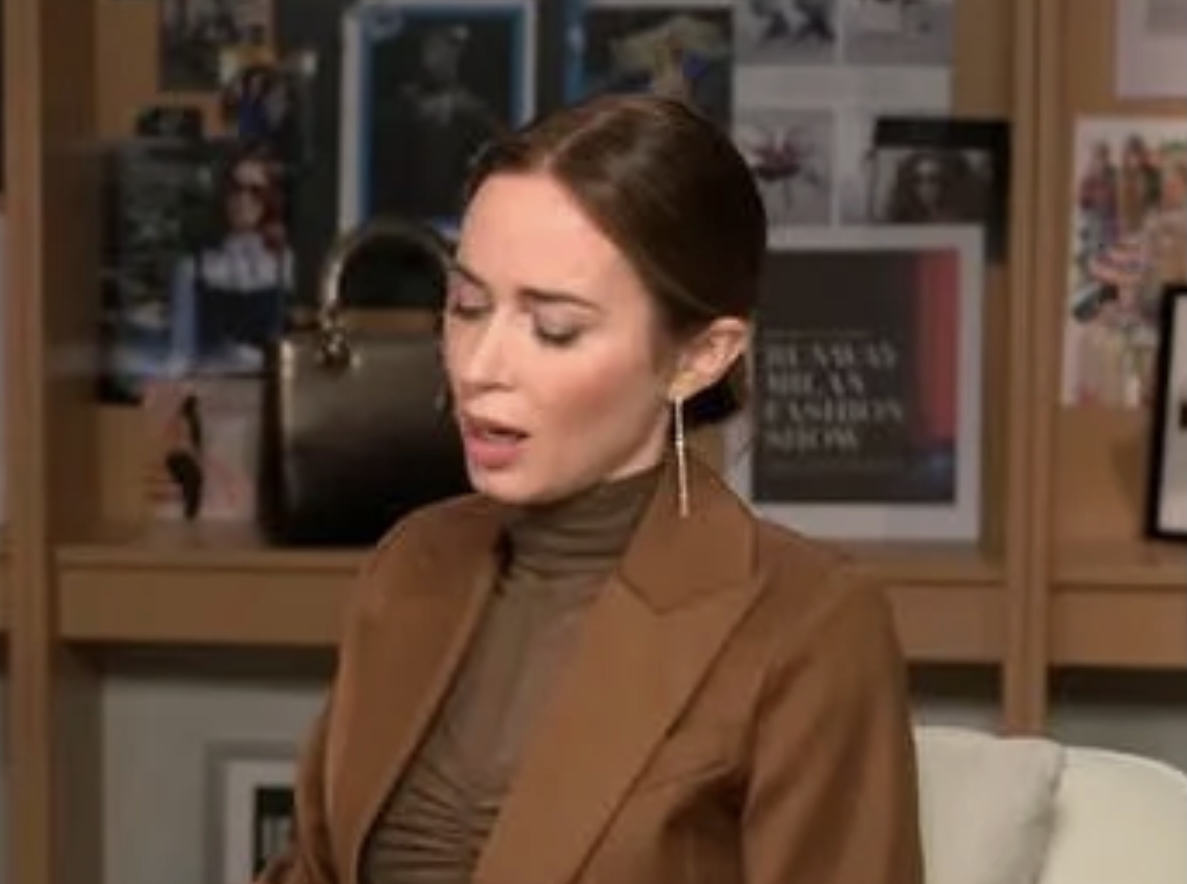
During the chat with Betches, Emily referenced her iconic role as an overworked assistant, recalling the viral “I love my job” meme from the film.
She initially suggested quitting as advice for those unhappy at work, before softening her stance to focusing on passion over pay.
But social media users were unimpressed, branding her comments “out of touch” and “classist,” arguing that money is essential to cover basic living costs.
One critic wrote, “It’s sooo easy to say this when you get paid millions to do what you love.”
Others highlighted the harsh realities faced by many, saying, “Happiness doesn’t buy food or clothes, or pay the rent.”
The debate raises questions about the divide between celebrity experiences and everyday struggles in the workforce.
Emily’s well-meaning advice has certainly stirred up a conversation about privilege and the true cost of chasing dreams.