Why this matters
This development matters because it brings renewed attention to the persistent issue of gendered media scrutiny and how it shapes public perception of influential women in politics and entertainment.
The bigger picture
The backlash against Michelle Obama highlights ongoing tensions over how female public figures, especially former First Ladies, are portrayed and scrutinised by the media. It underscores a broader cultural debate about the balance between personal image and substantive achievements in public discourse.
Need the context?
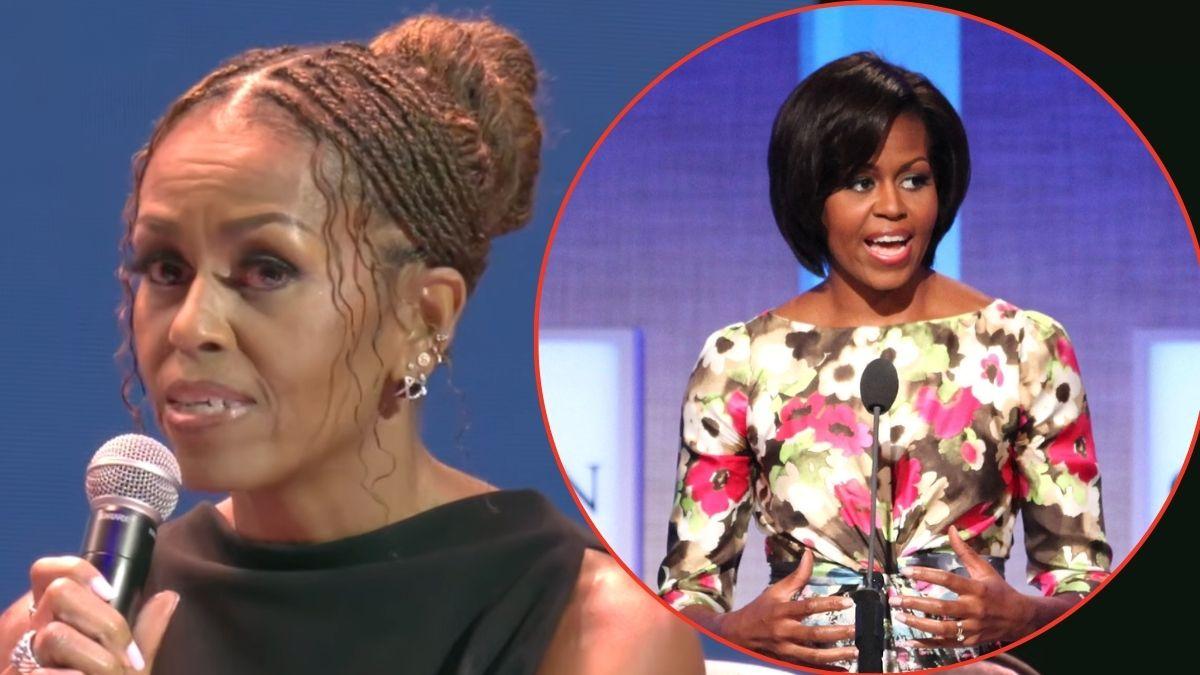
Michelle Obama publicly expressed frustration that media coverage focused excessively on her wardrobe rather than her policy initiatives and contributions during her tenure as First Lady. This criticism sparked immediate backlash, with some commentators branding her complaints as 'insufferable.'
What happens next?
- Michelle Obama may respond further to the backlash through interviews or social media statements to clarify her position.
- Media outlets might publish opinion pieces debating the fairness of fashion coverage for female public figures.
- Public figures and commentators could weigh in, either defending or criticising Michelle Obama's stance, potentially sparking wider cultural conversations.
- Analysis of media coverage trends regarding First Ladies and other prominent women might be commissioned by entertainment or political news programmes.
Readers currently think
The conversation is only just getting started.